Climate change has emerged as one of the most pressing challenges of our time. The Earth’s climate is rapidly changing due to human activities, primarily the emission of greenhouse gases into the atmosphere. The consequences of climate change are far-reaching and threaten the very fabric of our planet and the well-being of future generations. In this blog post, we will explore the causes and impacts of climate change and emphasize the urgent need for collective action to mitigate its effects and build a sustainable future.
Causes of Climate Change:
The primary driver of climate change is the excessive release of greenhouse gases, such as carbon dioxide (CO2), methane (CH4), and nitrous oxide (N2O), into the atmosphere. The burning of fossil fuels for energy, deforestation, industrial processes, and agriculture are major contributors to these emissions. These greenhouse gases trap heat from the sun and lead to a gradual increase in global temperatures, known as global warming.
Impacts of Climate Change:
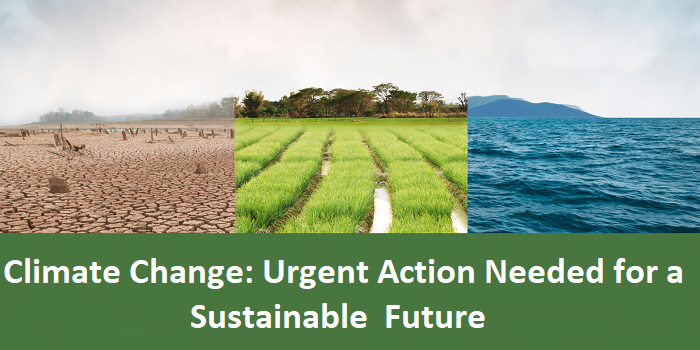
The consequences of climate change are already being felt across the globe. Rising temperatures are causing the melting of glaciers and polar ice caps, leading to a rise in sea levels. This puts coastal communities at risk of flooding and threatens the habitats of numerous species. Erratic weather patterns, including more frequent and intense heat waves, storms, and droughts, have severe implications for agriculture, water resources, and human health. Ecosystems are being disrupted, resulting in biodiversity loss and the extinction of many species.
Urgent Action Required:
Addressing climate change requires immediate and concerted action on various fronts:
Transition to Renewable Energy:
Reducing greenhouse gas emissions necessitates a shift from fossil fuels to renewable energy sources like solar, wind, and hydroelectric power. Governments, businesses, and individuals must invest in clean energy technologies and promote their adoption on a large scale.
Conservation and Reforestation:
Preserving existing forests and reforesting degraded areas can significantly mitigate climate change. Trees absorb CO2, acting as natural carbon sinks. Efforts should focus on combating deforestation, promoting sustainable land management practices, and restoring forest ecosystems.
Sustainable Agriculture:
Agriculture contributes to both greenhouse gas emissions and climate change impacts. Adopting sustainable agricultural practices, such as organic farming, efficient water usage, and reduced chemical inputs, can help mitigate emissions and build resilience to climate change.
Energy Efficiency and Conservation:
Promoting energy efficiency in buildings, transportation, and industrial processes can significantly reduce greenhouse gas emissions. Efficient technologies, improved insulation, and public transportation systems should be encouraged to minimize energy waste.
International Cooperation:
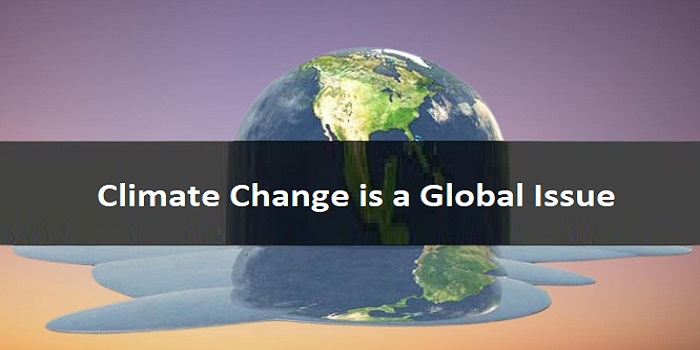
Climate change is a global issue that requires international collaboration. Nations must work together to establish binding agreements, such as the Paris Agreement, to limit temperature rise and provide support to developing countries in their efforts to adapt to climate change.
Conclusion:
Climate change poses an existential threat to our planet, ecosystems, and future generations. Urgent and collective action is imperative to mitigate its impacts and build a sustainable future. Governments, businesses, and individuals must embrace renewable energy, protect forests, adopt sustainable practices, and promote international cooperation. By taking decisive steps today, we can ensure a healthier, safer, and more resilient world for ourselves and generations to come. Let us act now, for the sake of our planet and the well-being of all living beings.